
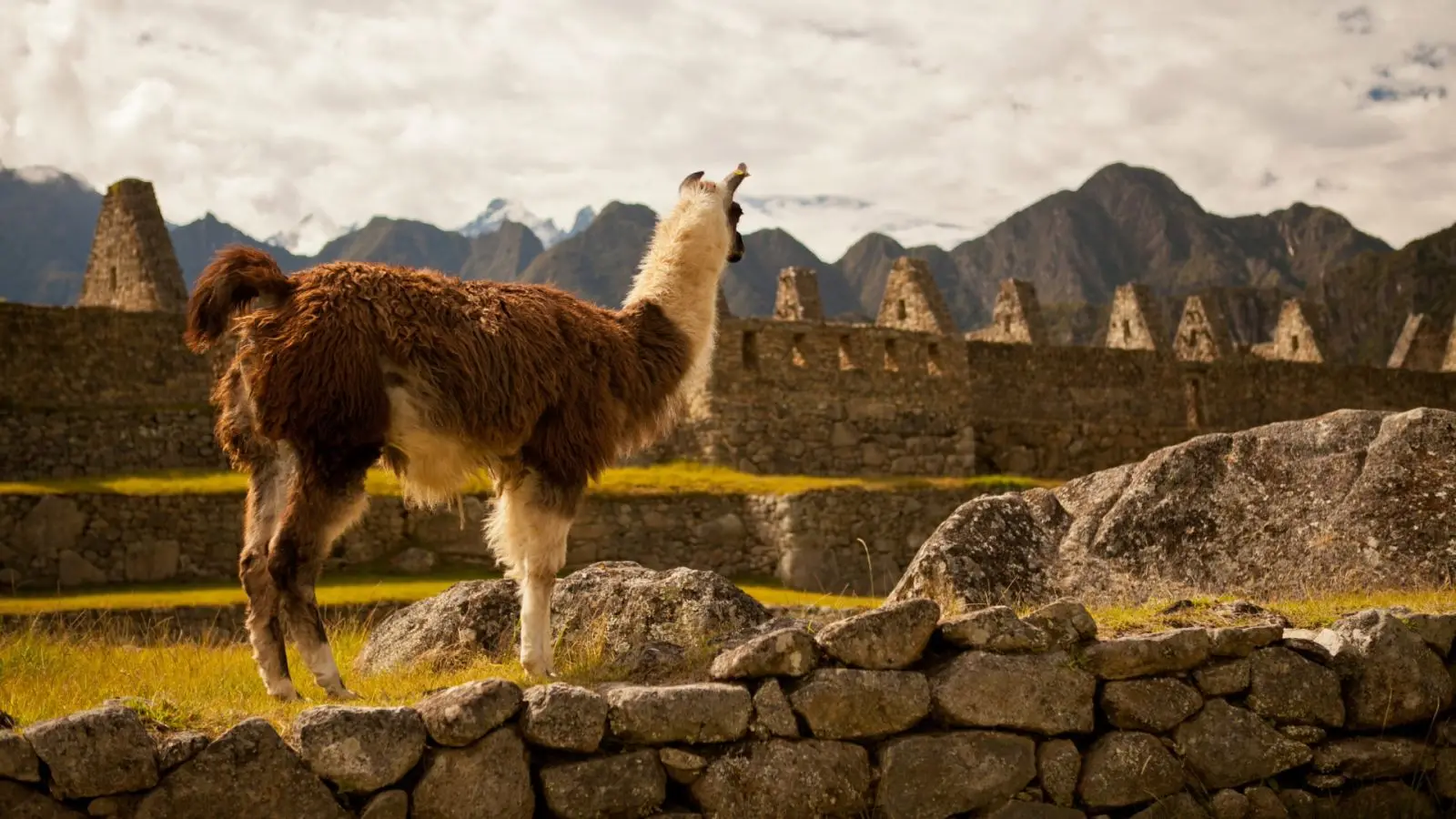
Short answer: there is no road to Machu Picchu. First you reach Aguas Calientes (Machu Picchu Pueblo): by train from Ollantaytambo (about 1h30 to 2h) or, depending on the season, from Poroy or San Pedro in Cusco; or via the Hydroelectric route (about 6h by road plus a 2.5–3h hike). From Aguas Calientes a bus climbs to the citadel in about 25–30 minutes. The most popular combo: a Cusco – Ollantaytambo transfer from US$51 (S/ 180) per vehicle, then the train.
How the trip works: three legs
Getting from Cusco to Machu Picchu is never a single ride. You always combine three legs, each booked separately unless you buy a package:
- Cusco → train station or Hydroelectric: by road, in a private transfer, colectivo or bus.
- Station → Aguas Calientes: on a PeruRail or Inca Rail train, or walking along the tracks from Hydroelectric.
- Aguas Calientes → citadel: on the Consettur bus up a switchback road, or on foot up a stepped trail (about 1h30 of steep climbing).
Altitudes for reference: Cusco is about 3,400 m, Ollantaytambo 2,800 m, Aguas Calientes about 2,040 m and Machu Picchu about 2,430 m. The citadel is lower than Cusco, so altitude usually bothers people less there.
Every option compared
| Option | Cusco → Aguas Calientes | Effort | Best for |
|---|---|---|---|
| Transfer to Ollantaytambo + train | Approx. 3.5–4.5h | Low | Most travellers: a good balance of time, cost and comfort |
| Transfer to Poroy or San Pedro + train | Approx. 4–4.5h | Low | Staying in Cusco, when departures run from there |
| Hydroelectric route | Approx. 8.5–9h | Medium-high | Tight budgets and travellers with time |
| Classic Inca Trail | 4-day trek | High | Hikers who book months ahead |
| Organised package | Depends on itinerary | Low | Anyone who’d rather not juggle trains, tickets and transfers |
Option 1: the Cusco to Machu Picchu train
It’s the fastest way and the one most people choose. Two companies run the line, PeruRail and Inca Rail, with several classes: from simple tourist services to panoramic carriages and PeruRail’s luxury Hiram Bingham. They all arrive at the same Aguas Calientes station; what changes is comfort, windows, onboard service and price. Fares and timetables vary by season, so buy on the official websites and double-check the departure station.
From Ollantaytambo (year-round)
This station has the most departures and is the most reliable. The train takes about 1h30 to 2h, but first you need to get there by road from Cusco (about 2h) or from your Sacred Valley hotel. Routes, times and tips are in our Cusco to Ollantaytambo guide.
From Poroy or San Pedro (seasonal)
Poroy is 30–40 minutes from central Cusco and San Pedro is in the city, next to the market of the same name. From there the train takes much longer, about 3h30 or more, and departures are few. In the rainy season these departures are often suspended and operators run a bimodal service instead: bus to Ollantaytambo, train from there. If your train leaves from Poroy, book the taxi to Poroy station; if in doubt, see our Cusco train stations guide.
Option 2: the Hydroelectric route
This is the budget alternative by road: about 6h from Cusco to Hidroeléctrica over the Abra Málaga pass (more than 4,300 m), Santa María and Santa Teresa, then roughly 11 km of mostly flat walking beside the railway (2.5–3h) to Aguas Calientes. There are also short trains from Hydroelectric, with limited times.
- Pros: usually cheaper than the train from Ollantaytambo, especially for groups, and the cloud-forest scenery is spectacular.
- Cons: it takes a full day, the road is winding with unpaved stretches, and landslides are a risk in the rainy season.
- Key tip: start early so you hike in daylight, and carry a torch, water and insect repellent.
In a private car you can stop in Santa Teresa or at the Cocalmayo hot springs. Full details are in our Cusco to Hydroelectric guide and the private transfer to Hydroelectric, from US$157 (S/ 550) per vehicle.
Option 3: Inca Trail, other treks or a package
Classic and short Inca Trail
The classic Inca Trail is a 4-day hike ending at the Sun Gate above the citadel. Permits are limited, sold only through licensed operators, and in high season they sell out months ahead. The trail closes every February for maintenance. The short 2-day version starts at km 104 of the railway.
Salkantay and other routes
The Salkantay trek (4–5 days) needs no Inca Trail permit and ends near Hydroelectric or Aguas Calientes. It’s tougher on altitude: it crosses a pass of about 4,600 m.
Organised package
If you’d rather have everything coordinated (transfers, trains, tickets and guide), see the Sacred Valley and Machu Picchu 2-day package or the Cusco and Machu Picchu 4-day package.
Step by step: from your Cusco hotel to the Machu Picchu gate
- Buy your entry ticket first. Tickets have a daily cap, a time slot and a circuit, and are sold by the Ministry of Culture (official website) or licensed agencies. For June–August they sell out weeks ahead; Huayna Picchu and Machu Picchu Mountain go even sooner. Rules on circuits, guides and visit length change, so check them when you buy.
- Choose the train to match your entry time. For an early entry, sleep in Aguas Calientes the night before. For a midday or afternoon slot, a morning train works.
- Book the transfer to the right station. Check whether your ticket says Ollantaytambo, Poroy or San Pedro. For an Ollantaytambo train, leave Cusco 2h30 to 3h before departure.
- Pack a small daypack. Trains allow hand luggage only (around 5 kg per person; confirm with your operator). Many Cusco hotels will store your big suitcase until you’re back.
- Buy the bus ticket in Aguas Calientes. Consettur tickets are sold in town; in high season the queues are long first thing in the morning. Confirm fares and times with the company.
- Enter with your passport. Bring the same document you used to buy the ticket, the ticket printed or on your phone, water and sunscreen. Toilets are at the entrance, not along the route.
- Come back with your ride booked. If you get off at Ollantaytambo, we wait at the station even if the train arrives at night and drive you to your hotel.
Weather, altitude and the best time to go
- Dry season (roughly May to October): the best views and dry trails. June, July and August are the busiest months: book entry, train and transfer well ahead.
- Rainy season (roughly November to March): frequent rain, especially in January and February, shifting clouds and fewer visitors. Pack a poncho. This is when train timetables change most and landslide risk on the Hydroelectric route is highest.
- At the citadel: Machu Picchu sits on the edge of the cloud forest: misty mornings, then hot midday sun. Dress in layers.
- Altitude: if you fly in, spend a couple of days between Cusco and the Sacred Valley before any trek. The train trip needs no special acclimatisation, since Machu Picchu is lower than Cusco.
Tips and mistakes to avoid
- Booking the train before the entry ticket. No ticket, no entry; lock in your Machu Picchu ticket, then the train that fits.
- Underestimating a day trip. 2h by road, 1h30 to 2h by train, 30 minutes by bus, plus the visit: a same-day round trip starts before 5:00 am and ends at night.
- Mixing up stations. Poroy and San Pedro are in Cusco; Ollantaytambo is about 2h away. Check your ticket the night before.
- Assuming the Cusco Tourist Ticket covers Machu Picchu. It doesn’t; Machu Picchu is a separate ticket.
- Taking an unofficial taxi before dawn to the station. Book a 24-hour taxi in Cusco at a fixed price.
- Ignoring the banned items list. Drones and some other items are not allowed; check the Ministry of Culture’s list before you go.
- Flying out the day you return. A late train can cost you the flight; fly the next day and book the hotel – airport transfer.
Why trust this guide
It’s written by Viajes D’MARC’s local drivers, who take travellers to Ollantaytambo, Poroy and Hydroelectric every day since 2010 and pick them up on the way back from Machu Picchu. Updated November 2026. Train, bus and ticket prices and timetables are set by PeruRail, Inca Rail, Consettur and the Ministry of Culture, so always confirm them before you buy.
Frequently asked questions
Can you drive from Cusco to Machu Picchu?
Not to the citadel. By road you reach Hydroelectric (about 6h), then hike 2.5–3h or take the train to Aguas Calientes.
Where does the train to Machu Picchu leave from?
From Ollantaytambo all year and, depending on season and operator, from Poroy or San Pedro in Cusco. Check the station on your ticket.
How long is the Cusco to Machu Picchu train journey?
About 3.5–4.5h to Aguas Calientes including the transfer to Ollantaytambo, plus 25–30 minutes by bus up to the citadel.
Can I visit Machu Picchu as a day trip from Cusco?
Yes, with an early train and an afternoon return, but it’s a very long day, from before dawn to night. We recommend one night in Aguas Calientes or the Sacred Valley.
How much is the transfer to Ollantaytambo station?
With Viajes D’MARC, from US$51 (S/ 180) per vehicle in a sedan, at a fixed price confirmed before you travel.
How far ahead should I buy my Machu Picchu ticket?
For high season (June–August), several weeks or even months ahead. There’s usually more availability in the rainy season, but the daily cap applies all year.
Which is better, the train or Hydroelectric?
The train if you’re short on time or travelling with children or older relatives. Hydroelectric if you’re on a budget, have time and enjoy walking, ideally outside the wettest months.