
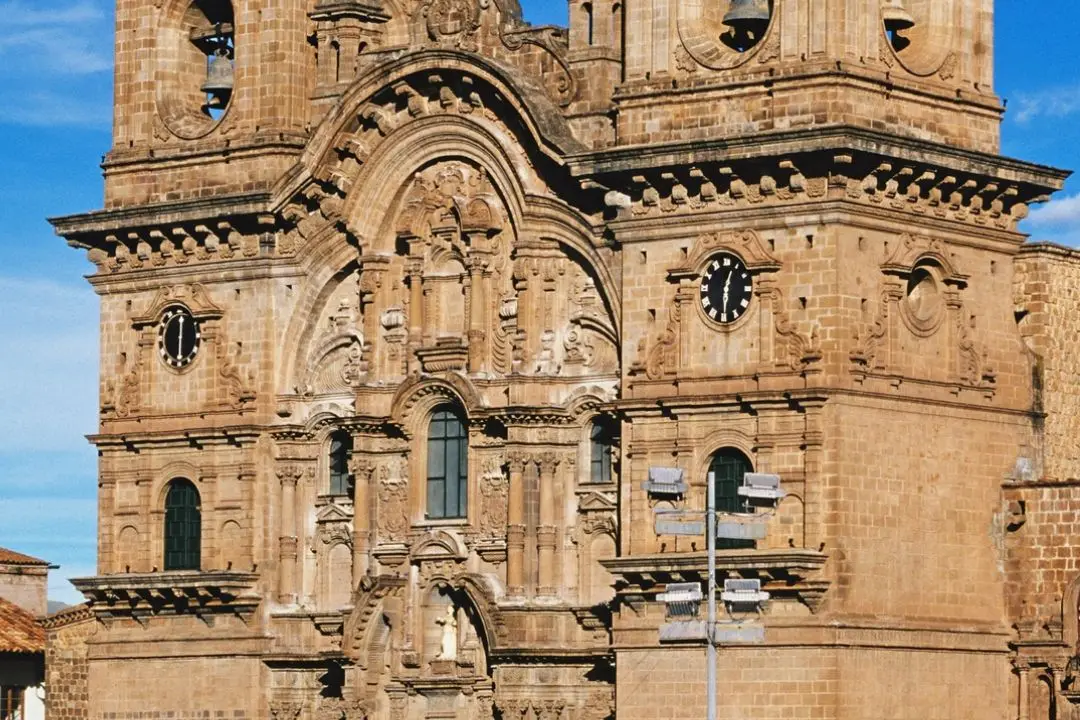
Short answer: yes. Cusco is generally considered one of the safer destinations in Peru for tourists. The usual risks are petty theft (pickpockets in markets, bus terminals, festivals and crowds) and unmarked street taxis at night. With simple precautions, such as watching your belongings, agreeing the taxi fare before you get in or booking your transfers, and doing long road trips in daylight, the vast majority of visitors enjoy Cusco without trouble. A private transfer from the airport to your hotel costs from US$10 (S/ 35) per vehicle.
Is Cusco, Peru safe? A realistic picture
Cusco lives from tourism and looks after it. The historic center is busy from morning until late, there is a visible police presence around the Plaza de Armas, and most locals are warm and helpful with visitors. That does not mean zero risk: the typical problem is opportunistic theft (a phone left on a café table, an open backpack), not violent crime. And the bigger challenges of the trip are usually elsewhere: the altitude, mountain roads and, on some dates, strikes that block highways.
Conditions can change. Before you travel, check your government’s travel advice (for example the US State Department or the UK Foreign Office) and the local news.
Petty theft: where it happens and how to avoid it
Stay most alert in busy markets such as San Pedro; at bus terminals and train stations while handling luggage; on packed city buses and minivans (combis); and at festivals and parades such as Inti Raymi (June 24) or Corpus Christi, which fill the Plaza de Armas.
- In crowds, wear your backpack on your front with the zips closed.
- Keep your phone off the table and your bag off the back of the chair.
- Split your money: a little for the day in your pocket, the rest at the hotel.
- Be wary of distractions: someone who spills something on you or asks for directions with a map spread open may have a partner nearby.
If someone tries to rob you, do not resist. Report it at a police station or to the Policía de Turismo (tourist police); your travel insurer will ask for that report.
Taxis in Cusco: how to get around safely
Most safety questions about Cusco end up being about taxis. Most drivers are honest, but plenty of unmarked, informal cars circulate too, especially at night.
| Option | Safety | Price | Best for |
|---|---|---|---|
| Unmarked car hailed on the street | Low: you do not know who is driving | Negotiated | Avoid, especially at night |
| Marked taxi hailed on the street | Acceptable by day | Agreed before you get in | Short daytime rides |
| Taxi called by your hotel or restaurant | Good: known company | Agreed when booked | Getting back to your hotel at night |
| Ride app | Driver details in the app | Set by the app | Short rides within the city |
| Booked private transfer | High: driver and vehicle confirmed in advance | Fixed per vehicle | Airport, trains, pre-dawn starts, long routes |
Basic rules for taking a taxi
- Choose a car with a company name and a clearly visible license plate.
- Agree the fare before you get in: there are no meters. Confirm it is in soles and for the whole car, not per person.
- Take a photo of the plate and share your location.
- Sit in the back and keep your valuables with you.
- At night, ask for a taxi to be called rather than hailing one.
Arriving at Cusco airport
In the arrivals area people will offer you taxis, hotels and tours; you do not need to answer anyone. You land tired, with luggage and feeling the altitude: with a booked transfer, the driver waits with a sign bearing your name. We explain it in our Cusco airport guide; if you are weighing an app against a taxi, read Uber in Cusco and our safe taxi in Cusco page. For late arrivals or pre-dawn departures we run a 24-hour taxi.
Cusco at night: where to walk and how to get back
The historic center stays lively until late: the Plaza de Armas, the nearby streets full of restaurants and bars, and the main avenues usually have people, lighting and taxis. The change comes a few blocks away, in steep alleys, stone stairways and residential streets that empty out and go dark by midnight, even in neighborhoods that are charming by day.
- When heading back late, have the restaurant call you a taxi, even for a few blocks, if the walk is uphill and quiet.
- Avoid walking alone along empty streets in the small hours, especially after drinking.
- Never leave your drink unattended: at 3,399 m alcohol hits harder.
- Go out with only what you need: some cash, one card and your phone.
Scams, money and documents
Common scams
- Tours and tickets that are too cheap, sold on the street: book with established agencies that have an office, verifiable reviews and a written receipt. Buy Machu Picchu tickets through official channels or a trusted agency.
- Taxis that change the fare on arrival: agree price, currency and number of passengers beforehand.
- Street money changers: use exchange houses or banks and count your money at the counter. Fake notes exist, so learn the security features of Peruvian soles.
- Unrequested help at ATMs: decline it and cover the keypad.
Money and documents
- Passport: leave the original in the hotel safe and carry a copy. Bring it when needed: the train and the Machu Picchu entrance ask for the document you used to buy your ticket.
- Cash: taxis, markets and small shops usually want cash in soles. Carry small notes.
- ATMs and cards: use ATMs inside banks or malls, during the day, and bring two cards kept in different places.
- Travel insurance: make sure it covers theft, medical care and, if you plan high-altitude hikes, evacuation.
Solo and female travelers in Cusco
Many people travel to Cusco alone, women included, and most describe it as a relaxed experience. A few adjustments help:
- Pick well-located accommodation with a 24-hour front desk and good reviews from other solo travelers.
- Share your itinerary and live location with someone you trust.
- At night, use a taxi called by your accommodation or a booked transfer.
- A guided outing such as the Cusco city tour is a good way to explore with company during your first days.
- If you get unwanted comments or catcalls, not responding and walking on toward a busy place usually works best.
Road trips, strikes, altitude and best time to go
Long road trips
The routes out of Cusco are mountain roads with hairpin bends, high passes and stretches without signal. The road to the Hydroelectric station crosses the Abra Málaga pass and the drive from Cusco to Puno crosses La Raya, both above 4,000 m. Do long routes in daylight, choose drivers who know these roads and vehicles with valid insurance, wear your seat belt and ask for rest stops. Heading to Lake Titicaca? Read our Cusco to Puno guide.
Strikes and protests
In Peru, strikes known as paros, often with road blockades, and protests can close routes for one or several days, including those to the Sacred Valley, Puno or Machu Picchu, and they sometimes affect the trains. They are usually announced a little in advance.
- Follow the local news and your embassy’s travel advice, and ask your hotel or operator before setting off.
- Stay away from demonstrations and never try to get through a blockade.
- Leave a spare day between Machu Picchu and your international flight.
Altitude, rain and best time to go
Cusco sits at 3,399 m, and altitude sickness (soroche) is the most common health issue on the trip. Take the first day easy, drink water, eat light and skip alcohol the first night; ask your doctor about preventive medication. The Sacred Valley is lower, at roughly 2,800–2,900 m. The sun is intense, so wear sunscreen and a hat.
The dry season (May to September) brings clear skies and more visitors, and with them bigger crowds. In the rainy season (November to March), landslides (huaicos) can hit mountain roads: check road conditions before leaving and avoid mountain stretches at night.
Step by step: your Cusco safety plan
- Before you travel: check your government’s advice, buy travel insurance and save digital copies of your passport.
- Book your airport transfer so you do not have to negotiate on arrival.
- Day one: rest and locate a pharmacy and a safe ATM near your hotel.
- Save emergency numbers: police 105, fire service 116, your hotel and your driver.
- Long routes: leave in daylight and check road conditions and any strike first.
- If something happens: get somewhere safe, call 105 or go to the Policía de Turismo, and notify your insurer; if you lost your passport, contact your embassy or consulate.
Mistakes to avoid
- Getting into the first car that offers a ride on the street at night, or any taxi without an agreed fare.
- Carrying all your cash and cards together.
- Scheduling a mountain drive at night, or too close to a flight.
- Ignoring the altitude during your first days.
Why trust this guide
This guide is written by the local drivers of Viajes D’MARC, who have driven around Cusco, the airport, the Sacred Valley and the region’s highways every day since 2010; it is what we tell our own passengers. We work with private vehicles, SOAT insurance and satellite tracking, and you can read real reviews on TripAdvisor. Updated November 2026.
Frequently asked questions
Is Cusco safe for tourists?
Yes. Cusco is generally considered one of the safer destinations in Peru for tourists. The most common risk is petty theft in crowded places; with basic precautions, most travelers have no problems.
Is it safe to walk around Cusco at night?
The historic center stays busy until late. Avoid empty, steep streets in the small hours and, to get back to your hotel, have the restaurant call a taxi or use a booked transfer.
Are taxis in Cusco safe?
Most are, but avoid unmarked cars, especially at night. Agree the fare before getting in and photograph the plate. For the airport and trains, a booked transfer is the safest option.
Is Cusco safe for solo female travelers?
Many women travel to Cusco alone without problems. Choose accommodation with a 24-hour desk, share your location, use called or booked taxis at night and never leave your drink unattended.
What are the emergency numbers in Cusco?
In Peru, the national police answer on 105 and the fire service on 116. Cusco also has the Policía de Turismo (tourist police), who assist visitors; your hotel can tell you how to reach them.
What should I do if there is a strike during my trip?
Follow the news and your embassy’s travel advice, check with your hotel or operator before setting off and never try to cross a blockade. Leave a spare day before your international flight.
How much is a safe taxi from Cusco airport to my hotel?
With Viajes D’MARC, US$10 (S/ 35) per vehicle in a sedan, with a fixed price confirmed before the trip, a driver waiting at arrivals and 24/7 WhatsApp support.