Cusco
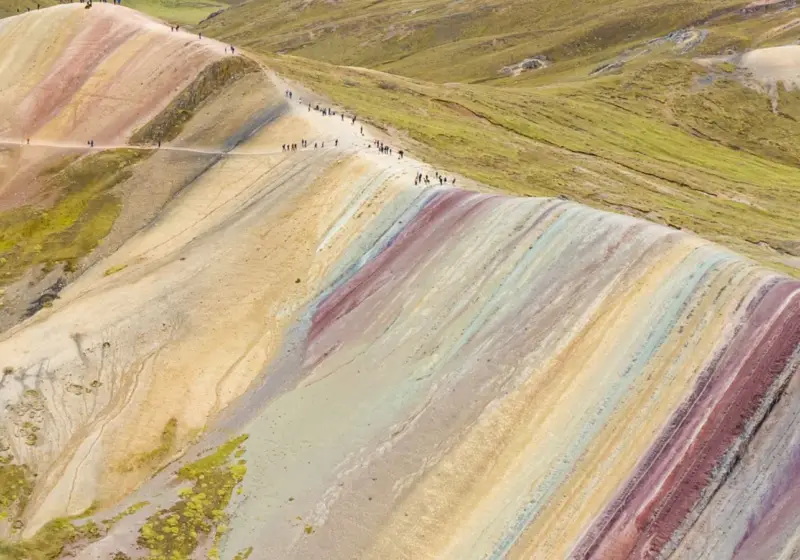
Palcoyo Mountain
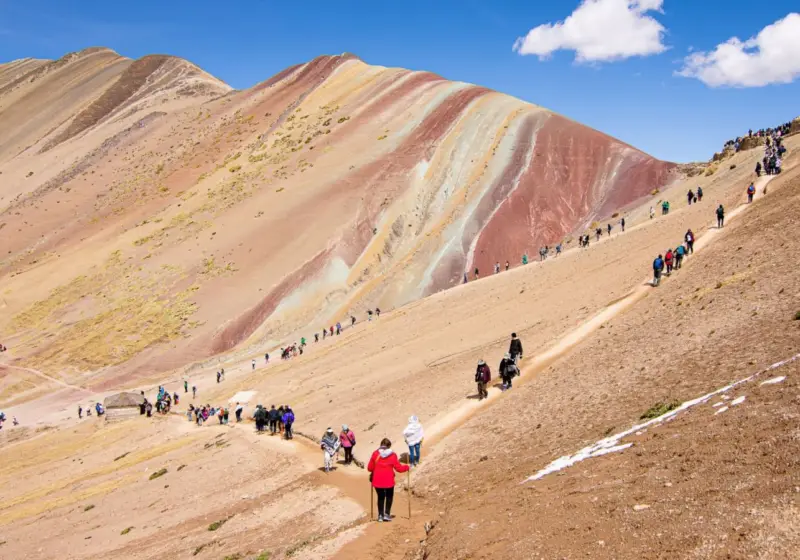
The quiet alternative to Vinicunca: three rainbow mountains and a stone forest with a short walk.
Cusco
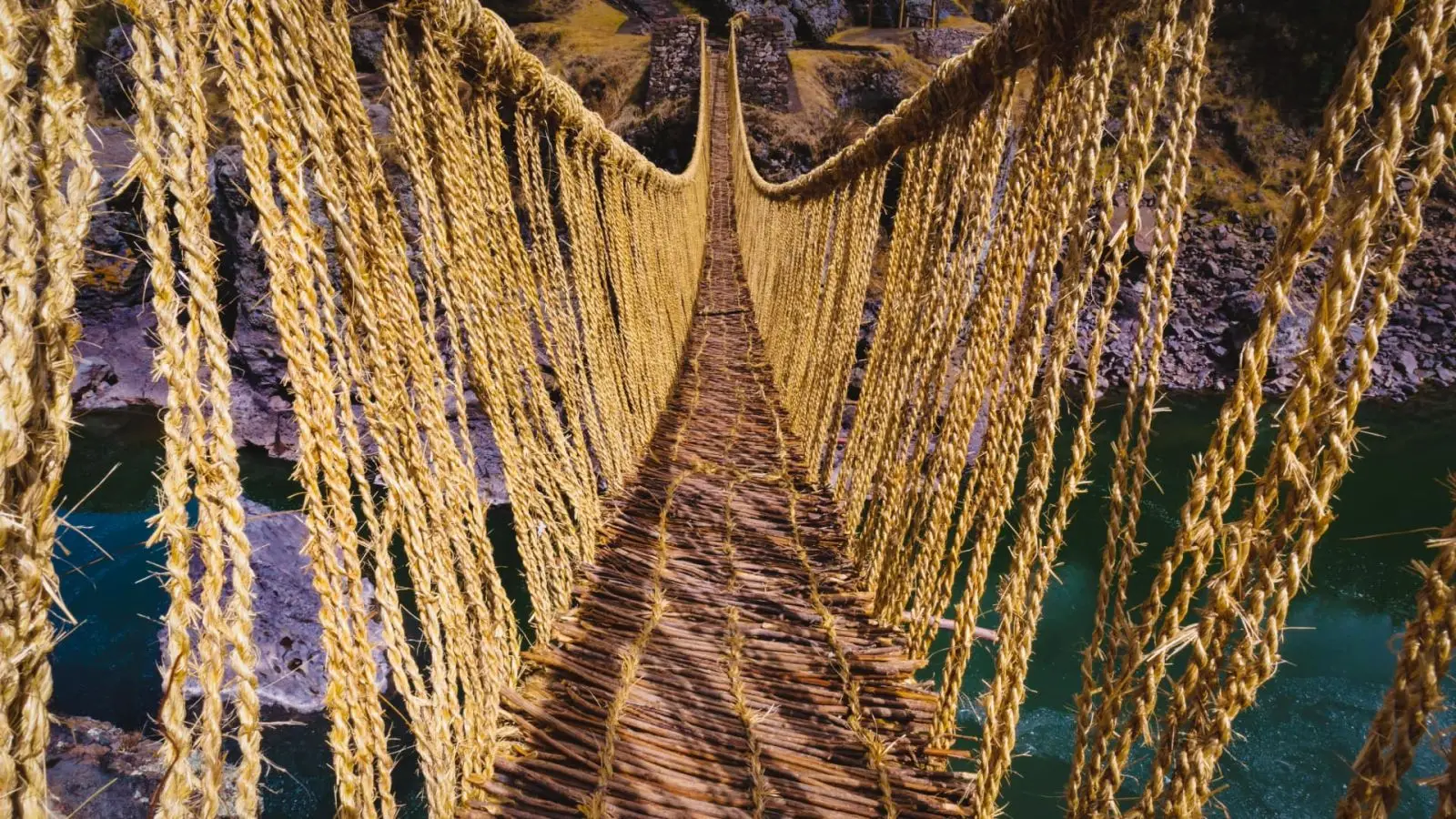
The last Inca rope bridge, hand-woven every year by the communities of Quehue.
This private Q’eswachaka Inca bridge tour takes you to the last rope bridge of Inca tradition still in use, hand-woven from plant fiber and rebuilt every year by the communities of Quehue. Viajes D’MARC provides a vehicle and driver just for your group, with hotel pick-up, stops along the four lakes route and waiting time during the visit. It is ideal for travelers interested in living Andean culture, photographers and families, since the walk is short.
The Q’eswachaka bridge spans the Apurímac river at about 3,700 m (12,100 ft) in the province of Canas, and is around 28 m long. It was part of the Qhapaq Ñan, the Inca road network, and is made of q’oya, a high-altitude grass twisted into thin cords and then braided into thick ropes. Because the fiber wears out, every year the communities of Huinchiri, Chaupibanda, Choccayhua and Ccollana Quehue rebuild it in a collective effort lasting several days, with offerings to Pachamama and the apus. In 2013 UNESCO inscribed this knowledge and ritual as Intangible Cultural Heritage of Humanity.
The four lakes route passes Pomacanchi, Acopia, Asnaqocha and Pampamarca, high-altitude lakes ringed by hills and small farming villages. They make a perfect stop to stretch your legs and take photos in the morning light.
The villages of the Cusco highlands, with colonial churches, potato and barley fields and llama herds, complete a landscape few visitors to Cusco ever see.
We leave early heading south along the Vilcanota valley and then climb onto the high plateau. After about 2.5 hours the lakes begin, and we stop as often as you like before reaching the Apurímac canyon by mid-morning. From the road you walk down a few minutes to the bridge, and the way back is a short climb. Then we head back and you reach Cusco by mid-afternoon, with time to rest.
This is one of our most accessible high-altitude trips. The walk to the bridge is short, though the climb back up is noticeable at 3,700 m, and the lakes sit somewhat higher than Cusco. One or two days in the city beforehand is enough. Crossing the bridge is optional: it sways quite a bit and is not advisable if you suffer from vertigo. Crossing is usually allowed, but it may be restricted if the bridge is worn just before its renewal; confirm on site.
Layers, a windproof jacket, hat, sunscreen, sunglasses, shoes with good grip (the path to the river can be loose), water, snacks and cash in soles for the entrance fee and purchases along the way.
The dry season, May to September, brings clear skies and sparkling lakes. The bridge renewal usually takes place in June; the communities set the exact dates each year, so contact us early if you want to see it. Keep in mind those days are much busier and crossing may be restricted during the work. December to March brings frequent rain, although the route stays passable.
Entrance fees, a guide and meals are not included. The community charges an entrance fee to visit the bridge; the amount is approximate and can change, so confirm it on site and bring cash. To understand the history and the renewal ritual, a guide makes a big difference: ask us on WhatsApp when you book.
On a shared tour the lake stops are brief and time at the bridge is fixed. Privately, you decide how long to stay at each lake, can leave earlier to have the bridge almost to yourself and stop wherever you like for photos. The price is per vehicle, from US$114 (S/ 400), which makes it especially good value for families and groups. Since 2010 we have worked with local professional drivers, SOAT insurance, satellite tracking and 24/7 WhatsApp support.
In the same province of Canas are the colorful ridges of Pallay Punchu. Another little-known site in the south is Waqrapukara, the sanctuary above the Apurímac. And if you are traveling on to Lake Titicaca, see our private Cusco to Puno transfer and the Cusco to Puno guide.
Worried about the altitude? Read our Cusco altitude sickness guide: how to acclimatize, which symptoms to watch and in what order to do the high tours.
Usually yes, and it is the most exciting part of the visit, although the bridge sways. It may be restricted when the fiber is worn before the renewal or during the work; confirm on site.
Every year, usually in June, over several days of community work and ceremonies. The communities set the exact dates, so message us on WhatsApp well in advance if you want to be there.
Very little: a few minutes down from the road to the bridge and a short climb back. It suits most acclimatized travelers, including children.
The private vehicle with a professional driver, hotel pick-up and drop-off and waiting time. It does not include the entrance fee, a guide or meals, which are paid separately or arranged on WhatsApp.
It is a full day: an early start from Cusco, the lakes in the morning, the bridge by mid-morning and back in Cusco by mid-afternoon, depending on your stops.
Pick-up at your hotel
Four lakes route
Q’eswachaka bridge
Return
Back in Cusco
Book this tour
Cusco
The quiet alternative to Vinicunca: three rainbow mountains and a stone forest with a short walk.
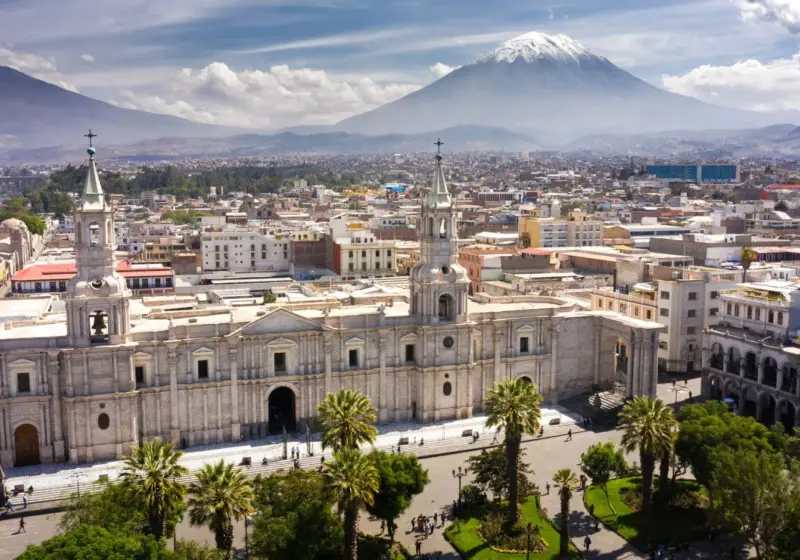
Arequipa
The white-stone historic center and countryside viewpoints of Arequipa on a private tour.
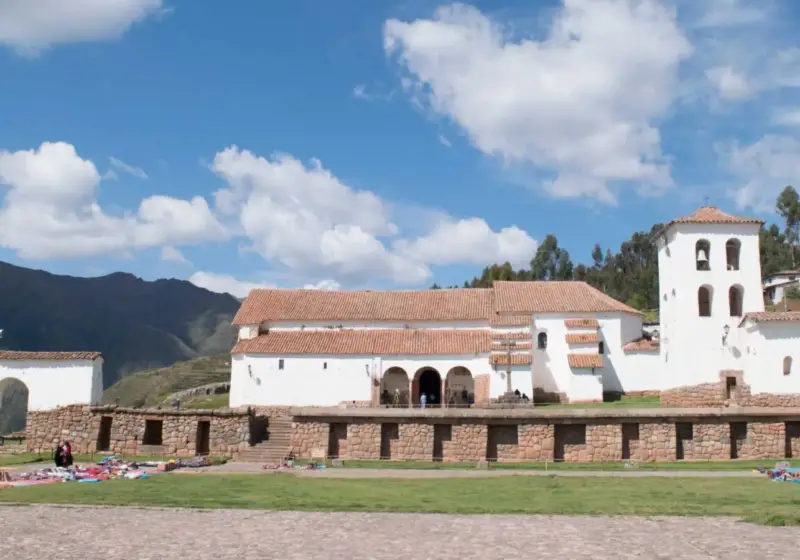
Sacred Valley
Chinchero, Maras, Moray and Ollantaytambo in one day, ideal before catching the train.
Travel guides
 Cusco elevation and altitude sickness: how high is Cusco, symptoms and prevention
How high Cusco really is, what altitude sickness (soroche) feels like, the warning signs that need a doctor,…
 Best time to visit Cusco and Machu Picchu: weather by month
Dry season, rainy season and shoulder months: what Cusco and Machu Picchu are like month by month, the…