
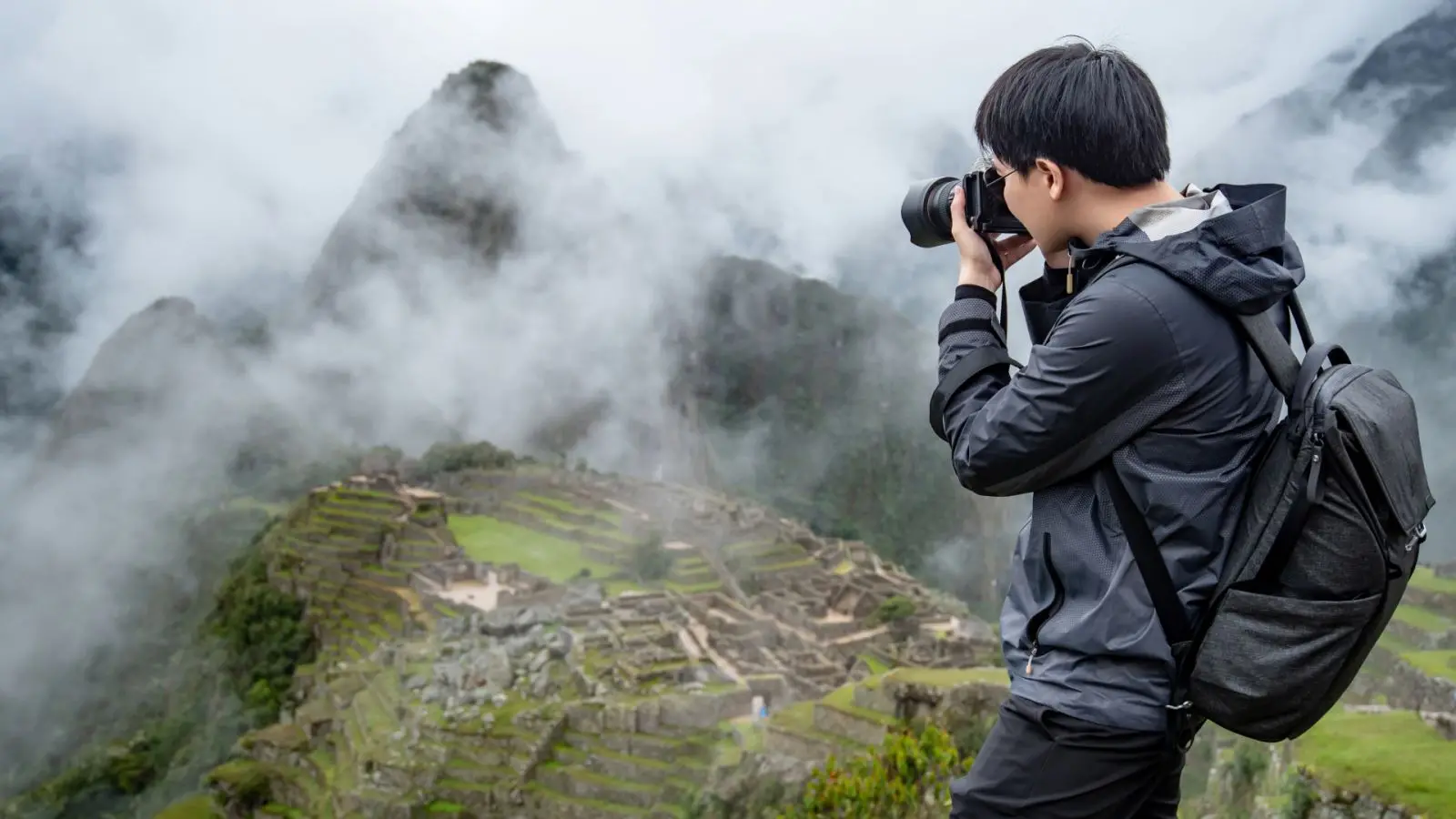
Short answer: Pack layers for Cusco: a thermal or quick-dry base layer, a fleece or light puffer jacket and a waterproof, windproof shell. Mornings and nights are cold (in June and July they can get close to 0 °C / 32 °F), but at 3,400 m (about 11,150 ft) the midday sun is strong, so add sunglasses, a hat and sunscreen. Bring broken-in hiking shoes, a rain jacket or poncho, your passport, some cash in soles and a small daypack for Machu Picchu and the train.
The key idea: dress in layers
In Cusco you don’t choose between winter and summer clothes: on the same day you go from a freezing dawn to T-shirt weather at noon and back to the cold at sunset. At altitude the air cools fast in the shade and the sun hits hard. On a typical trip you also drop down to the warmer Sacred Valley and Machu Picchu and climb to lakes and mountains above 4,000 m. The answer is three layers you put on and take off as the day changes:
- Base layer: a long-sleeve thermal or quick-dry top (better than cotton if you’ll be sweating).
- Mid layer: a fleece or light down or synthetic jacket that packs small.
- Outer layer: a hooded waterproof, windproof jacket.
| Place | Approx. altitude | What to expect | What to wear |
|---|---|---|---|
| Cusco city | 3,400 m (11,150 ft) | Cold mornings and nights, strong sun at midday | All three layers to hand; a beanie at night |
| Sacred Valley | 2,800–2,900 m | A little milder than Cusco | T-shirt and fleece; sun protection |
| Machu Picchu | About 2,400 m | Warmer and more humid; rain possible all year, biting insects | Light clothes, rain jacket, insect repellent |
| Humantay Lake | About 4,200 m | Cold wind, freezing early mornings | Warm layers, hat and gloves |
| Rainbow Mountain | About 5,000 m | Below freezing at dawn, snow possible in the rainy season | Every warm layer you have, gloves and hat |
Cusco packing list by category
Built for 7–10 days covering Cusco, the Sacred Valley, Machu Picchu and one or two high-altitude tours (ideas in things to do in Cusco). You don’t need technical mountain gear.
| Category | What to pack | Tip |
|---|---|---|
| Clothing | 2–3 thermal or quick-dry tops, 1 fleece, 1 light warm jacket, 1–2 comfortable trousers, warm sleepwear, thick socks, beanie and gloves | Not every hotel has heating, so warm pyjamas help |
| Footwear | Hiking shoes or light boots with good grip, plus a comfortable pair for town | Break them in before the trip; cobblestones and Inca steps are hard on feet |
| Sun and rain | UV sunglasses, sun hat or cap, high-SPF sunscreen, lip balm, rain jacket or poncho | You can burn even on cloudy days |
| Health and altitude | Your regular medication, basic first-aid kit, insect repellent, hand sanitiser, tissues | Ask your doctor before the trip about any altitude medication |
| Documents and money | Passport, paper and phone copies, travel insurance, cash in soles, one or two cards | Keep a passport copy separate from the original |
| Tech | Chargers, plug adapter, power bank, small headlamp | Cold drains batteries faster |
Health and altitude
We can’t recommend medication: talk to your doctor before you travel, especially if you take regular medication or have heart or breathing conditions. Carry your medicines in your hand luggage with the prescription, and bring a reusable bottle to drink bottled or filtered water through the day. For symptoms and warning signs, read our Cusco altitude sickness guide.
Money and plugs
Many hotels, restaurants and agencies take cards and Cusco has ATMs, but markets, rural communities, public toilets, horses and tips are paid in cash in soles, ideally small notes and coins. Peru commonly uses type A and C sockets at 220 V, so check your devices: most modern chargers accept 100–240 V, but a 110 V-only hair dryer or straightener may need a converter.
Step by step: how to organise your luggage
- Main suitcase or backpack. One per person for the whole trip. It stays at your Cusco or Sacred Valley hotel while you visit Machu Picchu.
- Daypack. Small, for excursions: layers, water, sunscreen, snacks, cash and passport.
- Overnight bag for Aguas Calientes. A small backpack with just enough for one night (see the Machu Picchu section).
- Flight carry-on. Medication, documents, a warm layer and chargers, in case your checked bag is delayed.
- Arrival. The airport is about 15–30 minutes from most hotels; with luggage and after a long flight, a pre-booked transfer saves haggling at the exit.
With Viajes D’MARC, a private Cusco airport transfer to your hotel costs from US$10 (S/ 35) per vehicle, with a fixed price confirmed before you travel, and the driver helps with your bags.
What changes by season
The core of your bag stays the same all year; what changes is how heavy each layer is. If you haven’t picked dates yet, see the best time to visit Cusco.
| Dry season (approx. May–September) | Rainy season (approx. November–March) | |
|---|---|---|
| Weather | Sunny days, very cold nights, especially in June and July | Milder nights, clouds and showers, heaviest in January and February |
| Warmth | Down jacket or thick fleece, beanie and gloves | Lighter fleece; you still need warm layers on high tours |
| Rain | A light shell is enough | A properly waterproof jacket, poncho and backpack cover |
| Footwear | Hiking shoes | Waterproof shoes and spare socks |
| Extras | Lip balm and moisturiser (very dry air) | Bags to keep wet clothes apart and a dry change in your daypack |
April and October are shoulder months: bring a bit of everything.
Extras for Rainbow Mountain and Humantay
These are the highest points of most trips: Rainbow Mountain reaches about 5,000 m and Humantay Lake about 4,200 m. You leave before dawn and the cold is real. On top of your daypack, add:
- Wool hat, gloves and a neck gaiter against the wind.
- All your warm layers: you start in the dark below freezing and hike in full sun by midday.
- 1.5–2 litres of water and energy snacks.
- Trekking poles if you use them: a big help on the way down.
- Cash in small notes for the community entrance fee, toilets and the optional horse.
- In the rainy season, waterproof shoes and spare socks.
Get in the vehicle already dressed warmly and peel off layers as you hike, before you start sweating. If you’d rather leave at your own time with the vehicle waiting with your things, see our private Rainbow Mountain tour or private Humantay Lake tour.
What to bring to Machu Picchu and on the train
For the day at Machu Picchu, a small daypack is all you need, with:
- Your original passport, the one used to buy the ticket; it’s checked at the entrance and on the train.
- Your entry ticket, train and bus tickets, printed and on your phone.
- A rain jacket or poncho: it can rain in any month.
- Sunscreen, a hat, insect repellent and a reusable water bottle.
The sanctuary’s rules get updated: in general large backpacks, drones and eating inside are not allowed, and there are restrictions on tripods and walking sticks. Check the current rules before you go; we cover them in our Machu Picchu tickets and circuits guide.
On the train to Aguas Calientes, hand luggage is limited to about 5 kg (11 lb) per passenger approx., in one backpack or small bag with a size limit; confirm with PeruRail or Inca Rail. The practical move is to leave your big suitcase at your hotel (almost all store it for guests; ask) and take one small bag with a change of clothes, sleepwear and toiletries. More in our train to Machu Picchu guide.
What not to wear or bring in Cusco: common mistakes
- Summer clothes only. Shorts and sandals work at noon, not at dawn or after dark.
- Brand-new shoes or heels. Blisters guaranteed, and risky on the cobblestones.
- Flashy jewellery and visible valuables. Pickpockets work markets and crowded spots; leave what you don’t need in the hotel safe. More in is Cusco safe?.
- Disrespectful clothing in churches. In the Cathedral and other churches, cover your shoulders, take off your hat and respect any no-photo rules.
- A drone you plan to fly at archaeological sites. At Machu Picchu and other sites it generally needs official authorisation; don’t count on using it.
- Too many clothes. Cusco has laundries that charge by the kilo; clothes for 4–5 days are plenty.
Printable Cusco packing checklist
- Passport, copies and travel insurance
- Cash in soles (small notes) and cards
- Thermal tops, fleece and warm jacket
- Waterproof jacket or poncho
- Beanie, gloves and neck gaiter
- Broken-in hiking shoes and town shoes
- Sunglasses, sun hat, sunscreen and lip balm
- Personal medication, basic first-aid kit and insect repellent
- Reusable bottle and snacks
- Plug adapter, chargers and power bank
- Daypack and small overnight bag for the train
Why trust this guide
It’s written by Viajes D’MARC’s local drivers, who since 2010 have driven travellers every day from the airport to their hotels, to the train stations and to Rainbow Mountain and Humantay, and who see which clothes work and what people forget. Last updated: November 2026. Machu Picchu and train rules change, so confirm them with the official operators.
Frequently asked questions
What should I wear in Cusco?
Layers: thermal or quick-dry tops, a fleece, a light warm jacket and a waterproof, windproof shell. Add a beanie, gloves, sunglasses and comfortable hiking shoes.
Is Cusco cold?
Yes in the mornings and at night, especially from May to September, when nights can get close to 0 °C (32 °F). At midday, in the sun, it is usually pleasant enough for a long-sleeve top or T-shirt.
What not to wear in Cusco?
Avoid packing only summer clothes, wearing new shoes or heels on the cobblestones, and showing off flashy jewellery or watches. In churches, cover your shoulders and take off your hat.
Do I need hiking boots for Cusco?
Technical boots are not necessary. Broken-in hiking shoes or light boots with good grip work for Machu Picchu, Rainbow Mountain and Humantay. In the rainy season, waterproof ones are best.
How much luggage can I take on the train to Machu Picchu?
About 5 kg (11 lb) of hand luggage per passenger approx., in one backpack or small bag with a size limit. Check the current rule with PeruRail or Inca Rail and leave your big suitcase at your hotel.
What plugs are used in Peru?
Type A and C sockets are common, at 220 V. Check your devices: most chargers accept 100–240 V, but 110 V-only appliances need a converter.